
The London Mystery Magazine and the Cult of the Macabre |
| Posted on 08-10-2024 |
The British horror pulp genre, though often eclipsed by mainstream literary traditions, holds a significant and evocative place in storytelling history. Among the many publications that helped shape this genre, the "London Mystery Magazine" stands out as a seminal influence. Bridging the gap between classic gothic horror and the evolving narratives of the mid-20th century, this magazine was both a product and a reflection of its time. This essay explores the enduring legacy of the "London Mystery Magazine," delving into its themes, the influence of M.R. James on its contributors such as Rosemary Timperley, the artists who illustrated its eerie tales, and the community of readers who continue to celebrate its contributions to horror literature
The Genesis and Evolution of the London Mystery Magazine
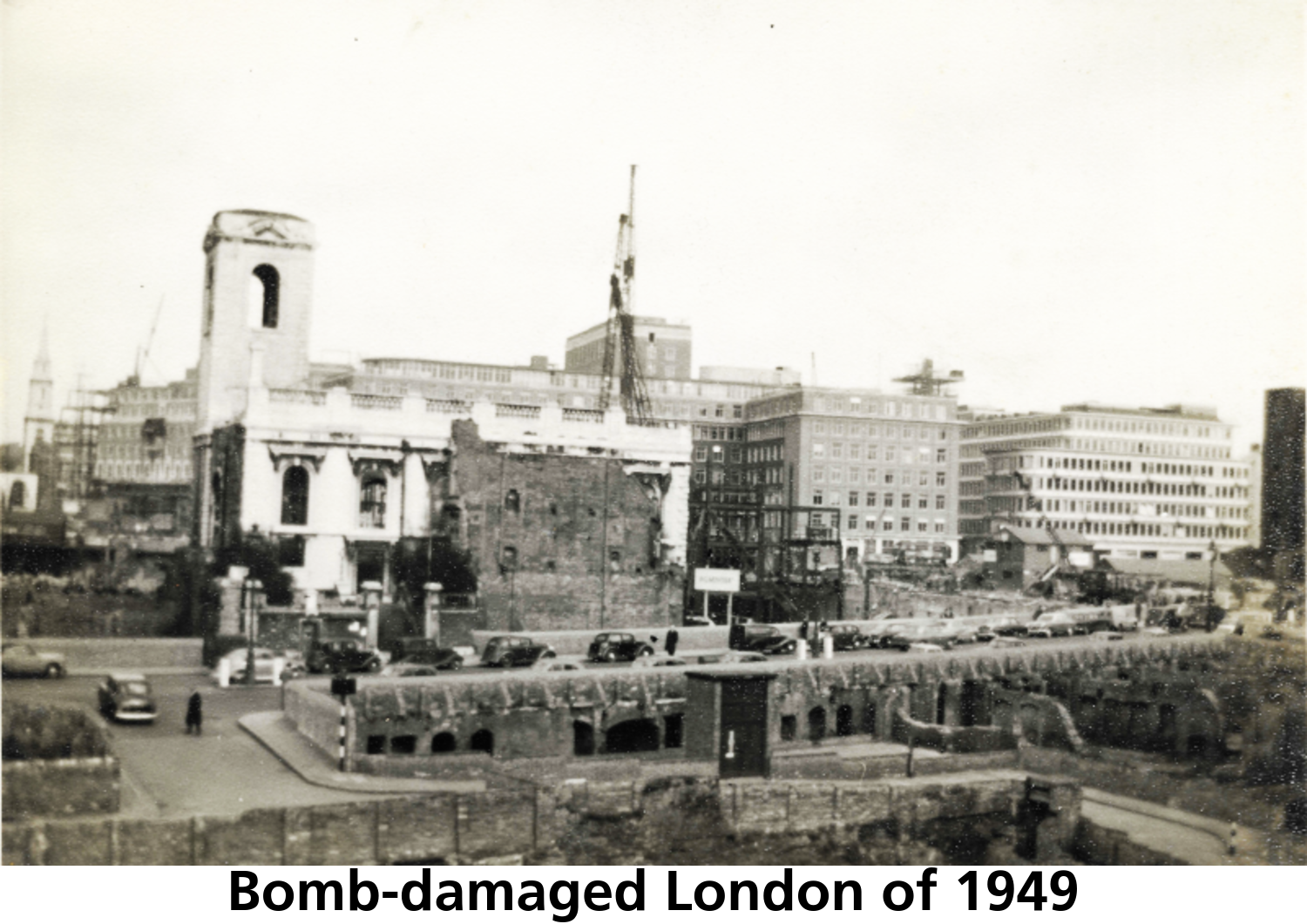 First published in 1949, the "London Mystery Magazine" emerged in a post-war Britain, a society grappling with the lingering effects of World War II. The magazine tapped into the era's collective anxieties, offering readers an escape into worlds where the supernatural and the mysterious reigned supreme. Over its 33-year run, producing 132 issues, the magazine became a staple for horror enthusiasts, providing a platform for both emerging and established writers to explore the macabre.
Edited by various figures throughout its history, the magazine maintained an eclectic mix of stories that ranged from ghostly tales rooted in gothic tradition to more contemporary psychological horror. Its ability to blend these elements made the "London Mystery Magazine" a unique publication that resonated deeply with its readers, who were drawn to its dark themes and the sense of unease it evoked.
Thematic Exploration in the London Mystery Magazine
A central theme in the "London Mystery Magazine" was the tension between literary style and the raw, visceral power of horror. Christine Campbell Thomson, a notable editor and anthologist associated with British horror fiction, famously stated her opposition to "literature" that sacrificed genuine horror for stylistic flourish. This sentiment was echoed in the magazine's approach, which prioritized storytelling that could evoke deep emotional responses over polished prose.
The magazine’s stories often explored themes of supernatural justice, moral ambiguity, and the inescapability of fate. These narratives frequently drew from the rich tradition of gothic literature, where characters were confronted with the consequences of their actions in the form of supernatural retribution. For example, André Villers’ "The Oubliette", translated by P. W. Inwood (24:67) tells the story of a man who wrongs a noble family and is condemned to a gruesome fate, reflecting the darker aspects of human nature and the inevitability of karmic justice.
Another prominent motif in the magazine’s stories is the intersection of past and present. Many of the tales are set against historical backdrops, using the past as a source of horror that infiltrates the modern world. Haunted houses, cursed objects, and long-buried secrets are common plot devices, grounding the supernatural in a reality that heightens the sense of dread. This historical dimension not only adds depth to the stories but also reflects the magazine’s broader cultural context, where the past feels as immediate and threatening as the present.
The Influence of M.R. James
M.R. James (1862-1936) had a profound influence on the magazine’s contributors. James is revered as one of the masters of the English ghost story, known for his meticulously crafted tales that combined scholarly pursuits with supernatural horror. His work is characterized by its subtlety, atmospheric settings, and a creeping sense of dread that gradually unfolds, setting a standard for ghost stories that would inspire many writers who came after him.
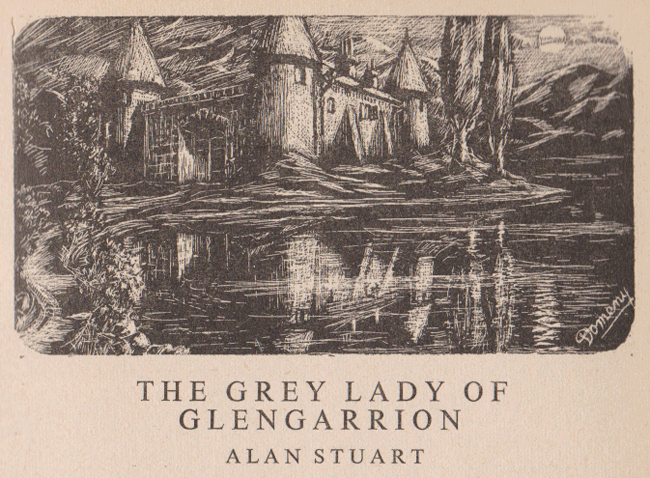 The "London Mystery Magazine" often featured stories that bore the hallmark of Jamesian horror, particularly in their use of antiquarian settings, scholarly protagonists, and the slow, unsettling revelation of supernatural forces. These stories followed in James’ footsteps, drawing on the tradition he established while adding their own unique twists. For instance, tales like "The Grey Lady of Glengarrion" by Archibald John Wightman (writing as Alan Stuart: 24:45) and "The Devil in Mayfair" by Langston Day (24:31) evoke the same kind of creeping horror that made James’ stories so effective.
One of the magazine’s most prominent writers influenced by M.R. James was Rosemary Timperley. A prolific author known for her psychologically intense and emotionally resonant horror stories, Timperley drew inspiration from James’ approach to the supernatural while adding her own distinctive voice. Her stories often focused on the emotional and psychological turmoil of her characters, blending the ordinary with the extraordinary in a way that left readers deeply unsettled.
Timperley’s work, such as her story "The Other Little Boy" (44:72), explores themes of grief, loss, and the supernatural, leaving the protagonist—and the reader—questioning what is real. Her ability to weave psychological depth into her horror stories set her apart from many of her contemporaries, making her a key figure in the magazine’s legacy. Through her stories, Timperley exemplified the Jamesian tradition while pushing its boundaries to explore more modern psychological complexities.
The Artistic Legacy of the London Mystery Magazine
The stories in the "London Mystery Magazine" were brought to life by a wide array of talented artists, whose illustrations played a crucial role in defining the magazine’s aesthetic and appeal. The visual aspect of the magazine was not merely supplementary; it was integral to the reader's experience, setting the mood and enhancing the storytelling.
Among the many artists who contributed to the magazine, several stand out for their distinctive styles. Joan Hassall, known for her detailed wood engravings, brought a subtle elegance to the magazine’s covers. Her work often depicted shadowy figures, gothic architecture, and ominous landscapes, creating a sense of mystery and foreboding that perfectly complemented the stories within. Hassall’s illustrations were deeply atmospheric, capturing the essence of the magazine’s horror in a way that was both haunting and beautiful.
Other artists, such as Beresford Egan, known for his bold, graphic style, and Austin O. Spare, with his dark, occult-influenced imagery, also made significant contributions to the magazine. Their work helped to define the visual identity of the "London Mystery Magazine," making it instantly recognizable and adding to its allure. The interplay between these different artistic styles contributed to the magazine’s unique identity, creating a cohesive and immersive experience for the reader.
In addition to these more well-known artists, the magazine featured the work of numerous other illustrators, such as Angela Maddigan, Anthony Baynes, and Eric Fraser, each bringing their own unique style to the magazine’s pages. These artists worked in various mediums, from traditional pen and ink to more experimental techniques, reflecting the magazine’s eclectic mix of stories and its willingness to push the boundaries of horror illustration.
The collaboration between writers and artists was one of the magazine’s defining features, creating a unified aesthetic that engaged the reader on multiple levels. The artwork was not merely decorative; it was a storytelling device in itself, adding depth and dimension to the narratives. This synergy between visual and literary art was a hallmark of the magazine, and it is one of the reasons why it remains so fondly remembered by its fans.
The Decline of the London Mystery Magazine and the Evolution of Horror
Despite its success and popularity, the "London Mystery Magazine" faced significant challenges as it moved into the latter half of the 20th century. The magazine, which had been a pioneer in the horror pulp genre, began to struggle with the changing tastes of its readership and the evolving landscape of horror literature.
One of the main factors contributing to the magazine’s decline was the shift in the horror genre itself. By the 1970s and 1980s, horror was becoming more graphic and visceral, with new subgenres like splatterpunk emerging that prioritized shock and gore over the subtlety and atmosphere that had characterized earlier horror fiction. The "London Mystery Magazine," with its roots in the more traditional gothic and supernatural horror, found it increasingly difficult to compete with these newer, more extreme forms of storytelling.
In addition to this, the rise of paperback anthologies and horror novels offered readers more variety and depth than the short story format of the magazine could provide. While the magazine had built its reputation on its ability to deliver concise and impactful horror stories, the growing popularity of longer, more complex narratives meant that it was losing ground to other forms of media. This shift in reader preferences, coupled with the changing dynamics of the publishing industry, ultimately led to the magazine’s closure in 1982.
However, the end of the "London Mystery Magazine" did not mark the end of its influence. The stories and themes that had defined the magazine continued to resonate with readers and writers alike, shaping the direction of horror literature in the decades that followed. The magazine’s emphasis on atmosphere, psychological depth, and moral ambiguity helped to establish a template for horror that remains relevant today.
The Nostalgia and Legacy of British Horror Pulp
For many readers, the "London Mystery Magazine" represents a golden age of horror pulp fiction, a time when the genre was still finding its voice and exploring the boundaries of fear and imagination. The magazine’s stories, with their mix of gothic tradition and modern sensibilities, captured the anxieties and uncertainties of the time, offering readers a way to confront their deepest fears in the safety of the printed page.
This sense of nostalgia is evident in the discussions on forums like "Vault of Evil," where enthusiasts of British horror pulp gather to share their memories and analyses of the magazine. These discussions reveal a deep appreciation for the magazine’s contributions to the genre, as well as a desire to keep its legacy alive for future generations.
One of the reasons for this enduring nostalgia is the sense of community that the magazine fostered among its readers. The "London Mystery Magazine" was more than just a collection of stories; it was a shared experience, a way for readers to connect with others who shared their love of horror and the macabre. This sense of community continues today, as fans of the magazine gather online to discuss their favorite stories, share rare issues, and explore the broader context of British horror pulp.
The magazine’s legacy is also reflected in the ongoing interest in its contributors, particularly M.R. James and Rosemary Timperley. James, whose influence on the genre is well-documented, remains a touchstone for writers and readers of horror. His approach to storytelling, with its focus on atmosphere and psychological terror, continues to inspire new generations of horror writers. Similarly, Timperley’s work, with its emphasis on emotional depth and the supernatural, has found a new audience in recent years, as readers rediscover her stories and appreciate their unique contribution to the genre.
In addition to the writers, the artists who illustrated the magazine’s covers and interiors have also left a lasting impact on the genre. The visual style of the "London Mystery Magazine," with its blend of gothic elegance and graphic horror, has influenced the way horror is depicted in other media, from book covers to film posters. The work of artists like Joan Hassall, Mervyn Peake, and Beresford Egan continues to be celebrated for its ability to capture the essence of horror in a single image, a skill that is increasingly rare in today’s digital age.
The Continuing Influence of the London Mystery Magazine
The influence of the "London Mystery Magazine" can still be felt in contemporary horror literature, particularly in the resurgence of interest in short-form horror fiction. While the magazine may no longer be in print, its legacy lives on in the many anthologies, collections, and magazines that continue to explore the themes and motifs that defined its pages.
One of the most significant ways in which the magazine’s influence endures is through the continued popularity of the ghost story. The "London Mystery Magazine" was instrumental in keeping the ghost story tradition alive during a time when other forms of horror were becoming more prominent. Today, the ghost story remains a vital part of the horror genre, with writers like Susan Hill, Stephen King, and Neil Gaiman drawing on the same themes of history, memory, and the supernatural that were central to the magazine’s stories.
The magazine’s emphasis on psychological horror and the exploration of the human psyche has also had a lasting impact on the genre. The idea that true horror lies not in external monsters, but in the depths of the human mind, is a theme that has been explored in countless works of fiction, from Shirley Jackson’s "The Haunting of Hill House" to more recent works like Mark Z. Danielewski’s "House of Leaves." This focus on psychological terror, which was a hallmark of the "London Mystery Magazine," continues to resonate with readers and writers who seek to explore the darker aspects of the human condition.
In addition to its thematic influence, the magazine has also had a lasting impact on the structure and format of horror fiction. The short story format, which was the magazine’s bread and butter, has seen a resurgence in recent years, with many writers and publishers recognizing the unique power of the short form to deliver intense, focused narratives. This renewed interest in short-form horror can be seen in the success of anthologies like "The Dark" and "Nightmare," as well as the continued popularity of classic collections by writers like H.P. Lovecraft and Edgar Allan Poe.
The "London Mystery Magazine" also paved the way for other horror magazines and publications that followed in its footsteps. Magazines like "Creepy," "Eerie," and "Weird Tales" all owe a debt to the "London Mystery Magazine" for establishing a template for horror pulp that combined compelling storytelling with striking visuals. These magazines, in turn, have influenced the development of horror comics, graphic novels, and other forms of visual storytelling that continue to push the boundaries of the genre.
Conclusion
The "London Mystery Magazine" occupies a unique and important place in the history of horror fiction. Through its stories, illustrations, and the community it fostered, the magazine helped to define a genre and set the stage for the development of modern horror. Its blend of gothic tradition and contemporary themes, its focus on psychological depth and moral ambiguity, and its commitment to delivering genuine horror made it a publication that resonated deeply with its readers.
Today, the legacy of the "London Mystery Magazine" continues to be felt in the ongoing interest in British horror pulp, the enduring influence of M.R. James and Rosemary Timperley, and the continued relevance of the themes and motifs that defined its stories. While the magazine itself may no longer be in print, its spirit lives on in the countless writers, artists, and readers who continue to explore the dark corners of the human imagination.
As we reflect on the magazine’s contributions to the horror genre, we are reminded of the power of storytelling to evoke fear, wonder, and introspection. The "London Mystery Magazine" may have been a product of its time, but its stories and the ethos it represented are timeless, offering a glimpse into the darkest recesses of the human soul and reminding us that the past is never as distant as it seems. Through its pages, we can continue to explore the mysteries of the unknown, the terrors of the supernatural, and the haunting legacy of British horror pulp.
Last changed: 08-14-2024 at 9:08 AM
Back to Overview